Plants and Wellness: Traditional Knowledge and Modern Understanding
Exploring the role of herbs, plants, and natural compounds in supporting health
Plants Throughout History and Cultures
Plants have been central to human wellness practices across cultures and millennia. From traditional medicine systems to modern nutrition, botanical knowledge represents accumulated wisdom about supporting health and vitality.
Historical Context of Plant Use
Archaeological evidence and historical texts demonstrate that humans have used plants intentionally for health purposes for thousands of years. These practices emerged through careful observation of effects and transmission of knowledge across generations.
Traditional Wellness Systems
Various cultures developed sophisticated understanding of plants and their properties. Ayurveda, Traditional Chinese Medicine, Indigenous practices, and European herbal traditions all represent valuable repositories of botanical knowledge.
Plant Compounds and Mechanisms
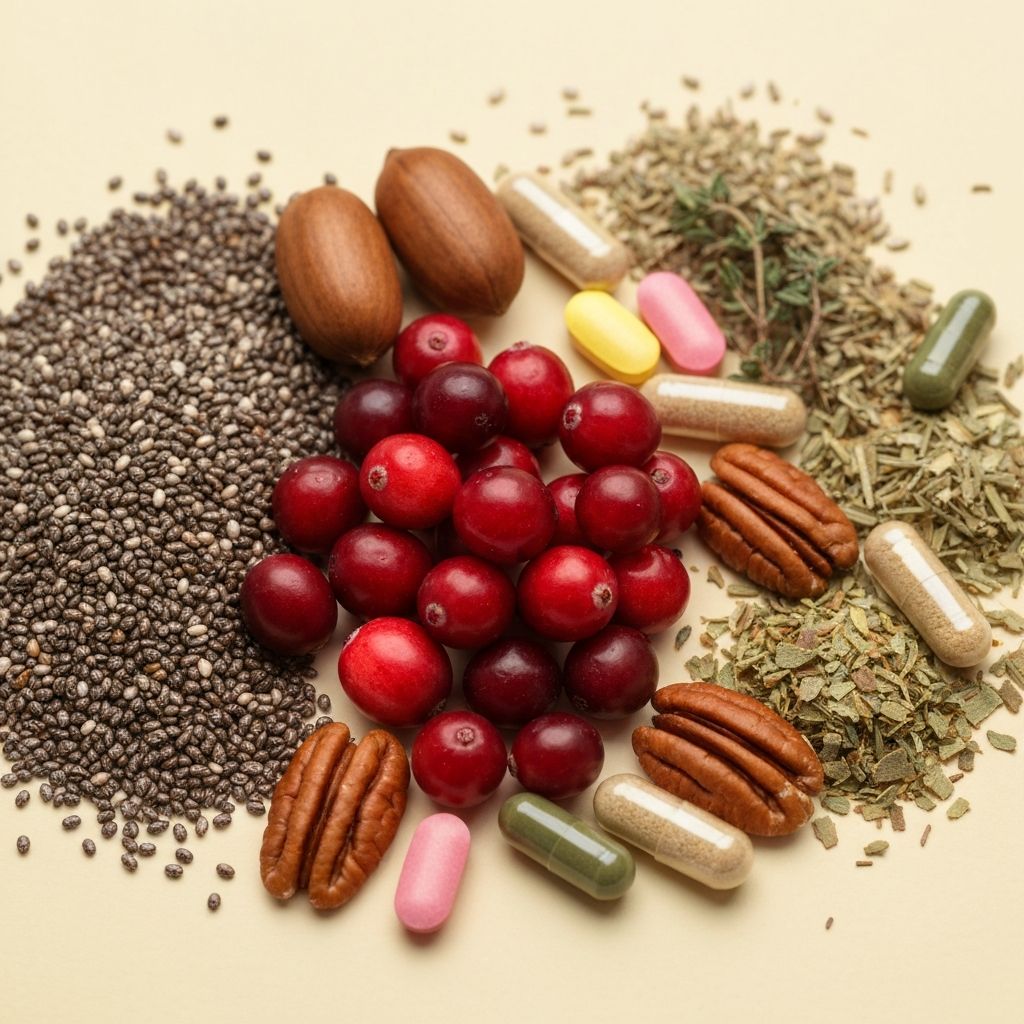
Plants contain thousands of bioactive compounds that interact with the body in various ways. Understanding these compounds helps explain why plants have been valued in wellness traditions.
Phytochemicals and Bioactive Compounds
Plants contain compounds including polyphenols, alkaloids, terpenes, and many others. These compounds often provide the plants' distinctive colors, flavors, and traditional properties.
Common Plant Categories
- Antioxidant-Rich Plants: Supporting cellular health through protective compounds
- Anti-Inflammatory Plants: Contributing to reducing inflammation through dietary intake
- Adaptogens: Plants traditionally used to support stress resilience
- Digestive Support Plants: Supporting digestive comfort and function
Culinary Herbs and Common Plants
Many common culinary herbs have been used for wellness purposes across cultures. Incorporating these plants into daily cooking is a straightforward way to benefit from their nutritional profiles.
Turmeric
A golden spice containing curcumin, traditionally used in South Asian cuisine and wellness practices. Modern research explores its role in supporting various aspects of health.
Ginger
A warming spice with a long history of use in traditional medicine systems. Used to support digestive comfort and is incorporated into both cooking and beverages.
Garlic
An aromatic bulb rich in sulfur compounds, used both as culinary ingredient and traditional wellness support. Ancient texts reference its valued status.
Basil
An aromatic herb used in Mediterranean cuisine, traditionally valued for various wellness properties. Fresh and dried forms are readily available.
Oregano
A robust herb rich in antioxidants, used in Mediterranean cooking. Contains compounds that support wellness when used regularly in cuisine.
Peppermint
A cooling herb traditionally used to support digestive comfort. Commonly enjoyed as tea or incorporated into culinary preparations.
Herbal Teas and Botanical Beverages

Popular Herbal Infusions
Herbal teas represent an accessible way to incorporate botanical compounds into daily wellness practices. Hot water extraction makes nutrients bioavailable while creating a calming ritual.
Common Herbal Tea Plants
- Chamomile: Traditionally used to support relaxation and sleep quality
- Lemon Balm: An uplifting herb traditionally valued for mental clarity
- Hibiscus: A tart flower traditionally used in various wellness practices
- Green Tea: Rich in antioxidants and traditionally valued in Asian wellness traditions
- Rooibos: A caffeine-free option with a warm, naturally sweet flavor
Preparation and Use
Simple brewing methods—steeping dried herbs in hot water—extract beneficial compounds. Consistency in consumption supports wellness benefits over time.
Plants Supporting Specific Wellness Areas
| Wellness Area | Traditional Use Context | Common Plants |
|---|---|---|
| Sleep Support | Plants traditionally used to promote relaxation and rest | Chamomile, valerian, passionflower, lavender |
| Digestive Support | Plants traditionally valued for supporting digestion | Ginger, peppermint, fennel, licorice |
| Immune Support | Plants traditionally used to support wellness year-round | Elderberry, echinacea, astragalus, reishi |
| Energy Support | Plants traditionally used to support vitality | Ginseng, rhodiola, gotu kola, maca |
| Stress Resilience | Plants traditionally used to support stress adaptation | Ashwagandha, holy basil, rhodiola, schisandra |
Forms of Plant Consumption
Plants are consumed in various forms, each with distinct characteristics and applications:
Whole Plants
Fresh or dried herbs used in cooking, teas, and traditional preparations. Whole plants provide complete nutrient matrices including lesser-known compounds.
Extracts and Concentrates
Modern extraction techniques concentrate plant compounds into more potent forms. Tinctures, decoctions, and standardized extracts offer convenience and concentrated benefits.
Supplements and Capsules
Convenient forms allowing consistent consumption of specific plant compounds. Standardized supplements provide consistent dosing and easy integration into daily routines.
Culinary Use
Incorporating medicinal herbs into cooking provides regular consumption while adding flavor and nutrition. This approach aligns with food-first wellness philosophies.
Individual Variation and Personalization
Response to plant compounds varies significantly between individuals based on genetics, health status, current diet, and other factors. What supports wellness for one person may not be identical for another.
Observation and Adjustment
Personal experimentation and careful observation of effects help identify which plants and preparations support individual wellness. Tracking responses over time provides valuable information.
Quality and Sourcing
Plant quality, growing conditions, harvest timing, and processing methods affect therapeutic value. Understanding sourcing supports informed choices about botanical products.
Educational Disclaimer: This information on plants and wellness is presented for educational purposes only. Plant information describes traditional uses and research contexts without making medical claims or guaranteeing specific outcomes. Individual responses vary, and consultation with qualified healthcare professionals may be valuable before making significant changes to botanical consumption.
Explore Related Topics
Nutrition & Supplements
Understanding how plant-based nutrition and supplements integrate into balanced dietary approaches.
Learn MoreLifestyle Practices
How plant-based wellness approaches complement other lifestyle choices for comprehensive health.
Learn MoreJoin Our Community
Connect with others interested in plant-based wellness approaches and natural health practices.
Subscribe